What you need to drive in the EU after Brexit

TL;DR: What do you need to drive in the EU after Brexit?

Your UK photocard licence still works across the EU, so there’s no need to panic there.

You don’t need a green card for your insurance either, though it’s still worth checking your policy covers you abroad. Your passport needs at least three months left on it after the date you’re due to leave the country you’re visiting, and it must have been issued within the last 10 years.

Two newer systems, EES and ETIAS, now affect how you get through the border, and if you’re driving a leased car you’ll need a VE103 rather than a V5C.

Five years on from the end of the Brexit transition period, driving in the European Union (EU) is a little more paperwork than it used to be

But most of it is straightforward once you know what applies to you.

The trouble is that a lot of the advice floating around hasn’t quite kept up with the times. Rules that were accurate in 2021 have since changed, new systems like EES and ETIAS have arrived, and a few things that people think they need – like a green card – aren’t required anymore.

Add in the fact that every country has its own quirks on top of the general EU rules, and it’s easy to see why so many people end up over-preparing for some things and under-preparing for others.

Here’s what’s changed, what’s stayed the same, and what to check before you set off, so you can stop second-guessing yourself and get on with planning your actual trip.

New EU border rules for UK travellers in 2026

The EU’s Entry/Exit System, or EES, has been rolling out since October 2025, and was meant to be fully up and running by 10 April 2026.

But in reality, it’s been a bumpier launch than planned.

As recently as July 2026, some UK border points, including Dover, the Eurotunnel terminal at Folkestone and the Eurostar terminal at St Pancras, were still reporting delays and suspensions while the system settles in. It’s worth checking the latest status shortly before you travel, so you’re prepared ahead of time.

EES replaces manual passport stamping with a digital record.

Instead of a stamp, the system logs the date and time you enter and leave, what border you used, and your biometric details (a facial photo and fingerprints). The first time you go through, it takes slightly longer while the system captures your details.

After that, it should be quicker, because the system already recognises you.

Alongside EES will sit ETIAS, the European Travel Information and Authorisation System. It's not a visa — it's an extra entry requirement for travellers who are already visa-exempt

Think of it as a similar idea to the US ESTA: A paid travel authorisation you apply for before you go, valid for up to three years or until your passport expires, whichever comes first.

At the time of writing, ETIAS still isn't live. It's worth checking the official start date closer to your travel dates, since it's been pushed back before.

It’s been delayed more than once, so take any ‘confirmed’ start date with a pinch of salt until it’s official.

Passport

Pack your passport and your driving licence

The 90-day rule and how long you can stay in the EU

If you’re a UK passport holder, you can spend up to 90 days in any 180-day period across the Schengen area without needing a visa. That 180 days is a rolling window, so it’s less ‘how many days have I used this year’ and more ‘how many days have I used in the six months up to today’.

EES now tracks this automatically using your entry and exit records, which takes away the faff of counting stamps.

Ireland works differently, thanks to the long-standing Common Travel Area agreement, so none of the Schengen rules apply if you’re taking a ferry to the Irish border.

Driving licence rules after Brexit

Good news – your UK photocard licence is still valid across the EU.

If you’re planning to live in an EU country long-term, you might need to exchange your UK licence for a local one – which can sometimes mean retaking your test – so it’s worth checking the rules well in advance.

International Driving Permits and when you need one

You won’t need an International Driving Permit (IDP) to drive in the EU, Switzerland, Norway, Iceland, or Liechtenstein if you hold a standard UK photocard licence. 

You’ll need one if you’re still using a paper licence, or if your licence was issued in Gibraltar, Guernsey, Jersey, or the Isle of Man.

Two versions of the IDP exist, each based on a different international convention, and which one you need depends on where you’re heading. 

The Post Office can point you to the right one. Getting hold of an IDP costs £5.50, and you’ll need your full valid UK driving licence, a passport-sized photo, and a valid passport as ID.

Passport rules 

Two checks to make before you travel.

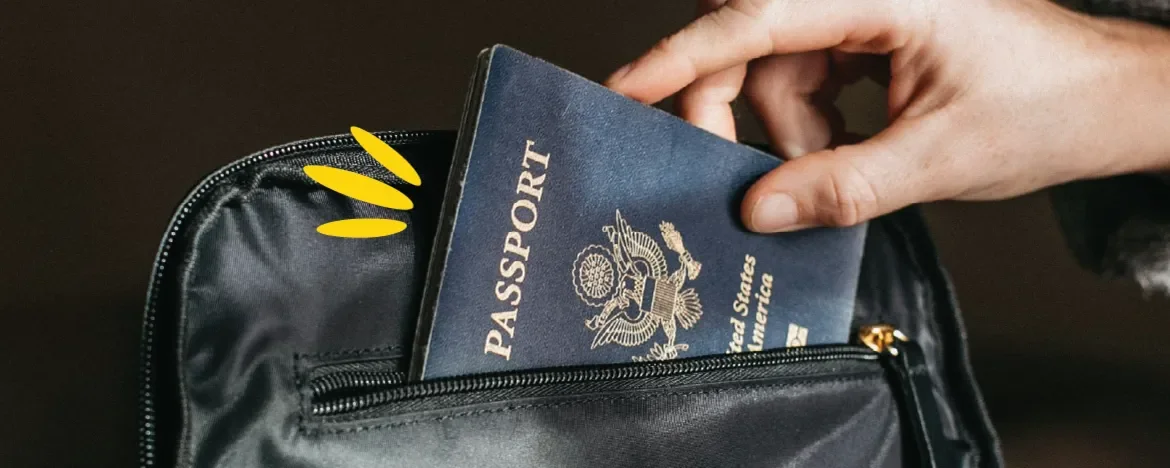
Your passport needs to be valid for at least three months after the date you plan to leave the country you’re visiting, and it needs to have been issued within the last 10 years.

Both are easy to check on the photo page, and both are worth doing well before you’re due to travel.

CUPRA Born car keys

Grab your keys and get ready to hit the road

Car insurance for driving in the EU

You don’t need a green card to drive in the EU, Ireland, Andorra, Bosnia and Herzegovina, Iceland, Liechtenstein, Norway, Serbia, or Switzerland.

It’s a rule that used to apply and still gets repeated online, but it isn’t current.

What you do still need is valid insurance, so it’s worth confirming that your policy covers you while you’re abroad, particularly if you’re planning a longer trip or towing a trailer or caravan.

UK stickers and number plates

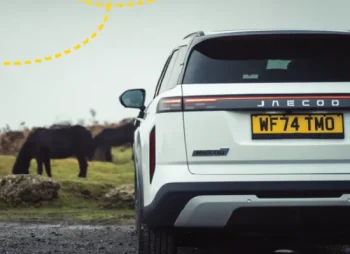
If your number plate already shows the UK identifier alongside the Union flag, you’re covered and don’t need anything extra.

If it doesn’t, whether that’s because it has a Euro symbol, a flag of England, Scotland or Wales, or no symbol at all, you’ll need to display a UK sticker on the back of your car. Spain, Cyprus, and Malta are the exception. You’ll need a UK sticker there regardless of what your numberplate says. 

Reusable magnet stickers are widely available online and are a better option than the disposable kind.

Vehicle documents: V5C or VE103

If you own the car you’re driving, bring your V5C to prove it’s yours.

If you’re driving a lease car, you won’t have a V5C in your name, so you’ll need a VE103 instead. This confirms you have permission from the finance provider to take the car abroad.

Get in touch with your funder at least 14 days before you travel, so you have time to get your documents sorted.

Woman driving JAECOO

Driving in the EU after Brexit isn't hard - it just needs a bit of preparation

What to carry in your car when driving in Europe

Requirements vary from country to country, so always check the specific rules for wherever you’re driving before you set off.

That said, a few things come up again and again across the EU: A warning triangle, a high-visibility vest for each person in the car (kept somewhere accessible and not in the boot), and headlamp beam deflectors so you’re not dazzling oncoming traffic on the other side of the road.

A first aid kit is a sensible addition too, even where it isn’t strictly compulsory.

Taking your pet abroad

Pet passports issued in Great Britain are no longer valid for travel to the EU.

Instead, you’ll need an Animal Health Certificate (AHC) from your vet, and the timing matters – it needs to be issued no more than 10 days before you travel, not weeks in advance. Your pet will also need to be microchipped and vaccinated against rabies, and they need to be at least 12 weeks old before that vaccination.

Once vaccinated, you’ll need to wait 21 days before you can travel.

Given the timelines, it’s worth speaking to your vet at least a month before your trip so everything’s in place in time.

The essential paperwork checklist

Before you set off, make sure you’ve got:

  • Your valid UK photocard driving licence
  • An International Driving Permit, if you need one
  • Valid vehicle insurance that covers driving abroad
  • A UK sticker, if your numberplate needs one
  • Your VE103 if you lease, or V5C if you own the car
  • A passport valid for at least three months after your return date, issued within 10 years
  • An Animal Health Certificate, if you’re bringing a pet

Miss any of these, and you might find yourself stuck at the border rather than on the road.

Rev up your European adventure

Driving in the EU after Brexit involves a bit more preparation than it used to, but none of it is complicated once you know what you need.

Check the specific requirements for the countries you’re visiting before you travel, since rules can vary, and keep an eye on how EES and ETIAS are progressing given both are still settling in.

FAQs: Driving in the EU after Brexit

Can I still drive in Europe after Brexit?

Yes. Your UK driving licence is still valid across the EU, and you’ll only need an International Driving Permit in specific circumstances, such as holding a paper licence or one issued in the Channel Islands, Isle of Man, or Gibraltar.

Do I need a green card to drive in Europe?

No. This is one of the most common misconceptions about post-Brexit driving. 

You don’t need a green card to drive in the EU, Ireland, or a handful of other European countries, though you should still check your insurance policy covers you for driving abroad.

What is EES and does it affect me?

EES, the EU’s Entry/Exit System, replaces manual passport stamping with a digital record of your entries and exits.

It applies to UK travellers, and while it’s been rolling out since October 2025, some border points were still experiencing delays as of mid-2026.

Do I need to apply for ETIAS?

Not yet.

ETIAS is a separate travel authorisation system that hasn’t launched at the time of writing, despite several proposed start dates. Once it’s live, UK travellers will need to apply and pay for authorisation before travelling.

How do I check if my UK driving licence is valid in EU countries?

If you hold a standard UK photocard licence, it’s valid throughout the EU without any extra steps.

The only exceptions are paper licences and those issued in Gibraltar, Guernsey, Jersey, or the Isle of Man, which may need an International Driving Permit alongside them.

What documents do I need to drive through Europe?

Your UK driving licence, a valid passport, proof of insurance, and either your VE103 or V5C. Depending on your licence type and number plate, you might also need an International Driving Permit and a UK sticker.

Do I need a UK car sticker to drive in France?

Only if your number plate doesn’t already display the UK identifier with the Union flag. If it does, you’re covered. 

If not, you’ll need a UK sticker on the back of your car.

Sarah Hunt

Sarah Hunt

Sarah is the Head of Marketing and she's tasked with keeping the fantastic marketing team in line. She's probably the reason you've heard of us, and her wealth of marketing experience means that no challenge is too big.